
 EN
EN
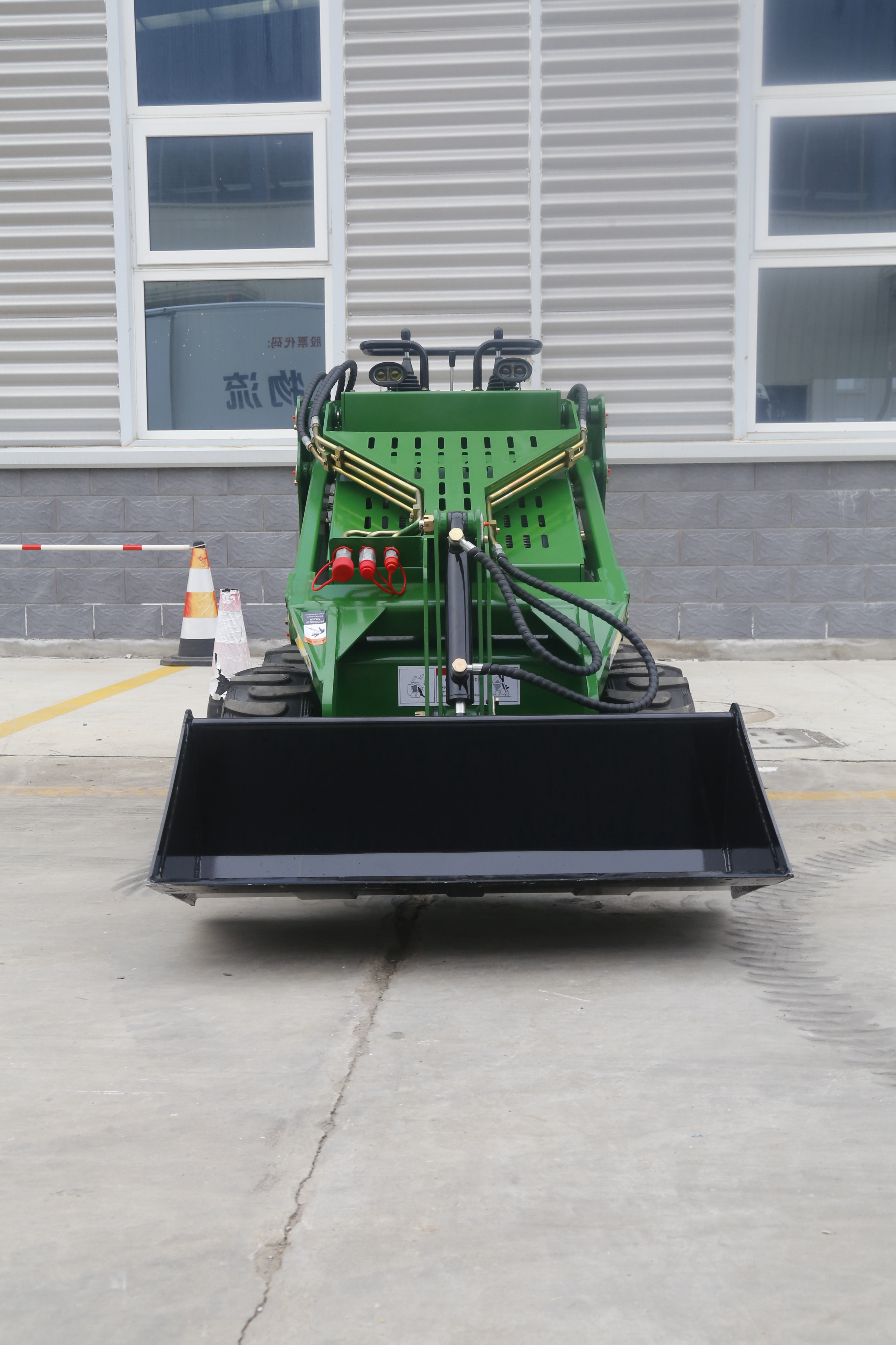
A mini loader earns its place on job sites where heavier gear gets stuck, because a light footprint and wide tires let it cross mud and turf that would swallow a full-size machine. The passing performance comes from spreading weight instead of digging in, which keeps the work moving after rain. For utilities and landscaping, that reliability often decides whether a job finishes on the booked day or slides into a second week.
A Field Case on Wet Terrain
Background and the Sinking Problem
The crew first tried a larger unit, then a mini loader changed the outcome on a utility job laid across a waterlogged field. The bigger machine sank to the axles within meters, stranding pipe and crew while a tracked excavator waited to pull it free. The delay pushed the trench line past the inspection window, which risked a penalty and eroded trust with the general contractor on the site.
The Solution — a Mini Loader with Wide Tires
Deploying a mini loader with wide flotation tires moved the pipe without a single recovery. The lighter build floated over the saturated topsoil, and the operator kept a steady path by reading the ground rather than fighting the machine through ruts. Because the unit weighed less, the same soft lane that trapped the heavier machine now supported a full load of fittings without hesitation.
The Effect — No Recovery All Season
The mini loader completed the run without a single recovery across the wettest month, which protected the schedule and the client relationship. The crew finished the trench line on time and avoided the rental cost of a second extraction machine. By season end the supervisor had standardized on the lighter unit for every soft-ground call, which cut tow-related downtime to zero.
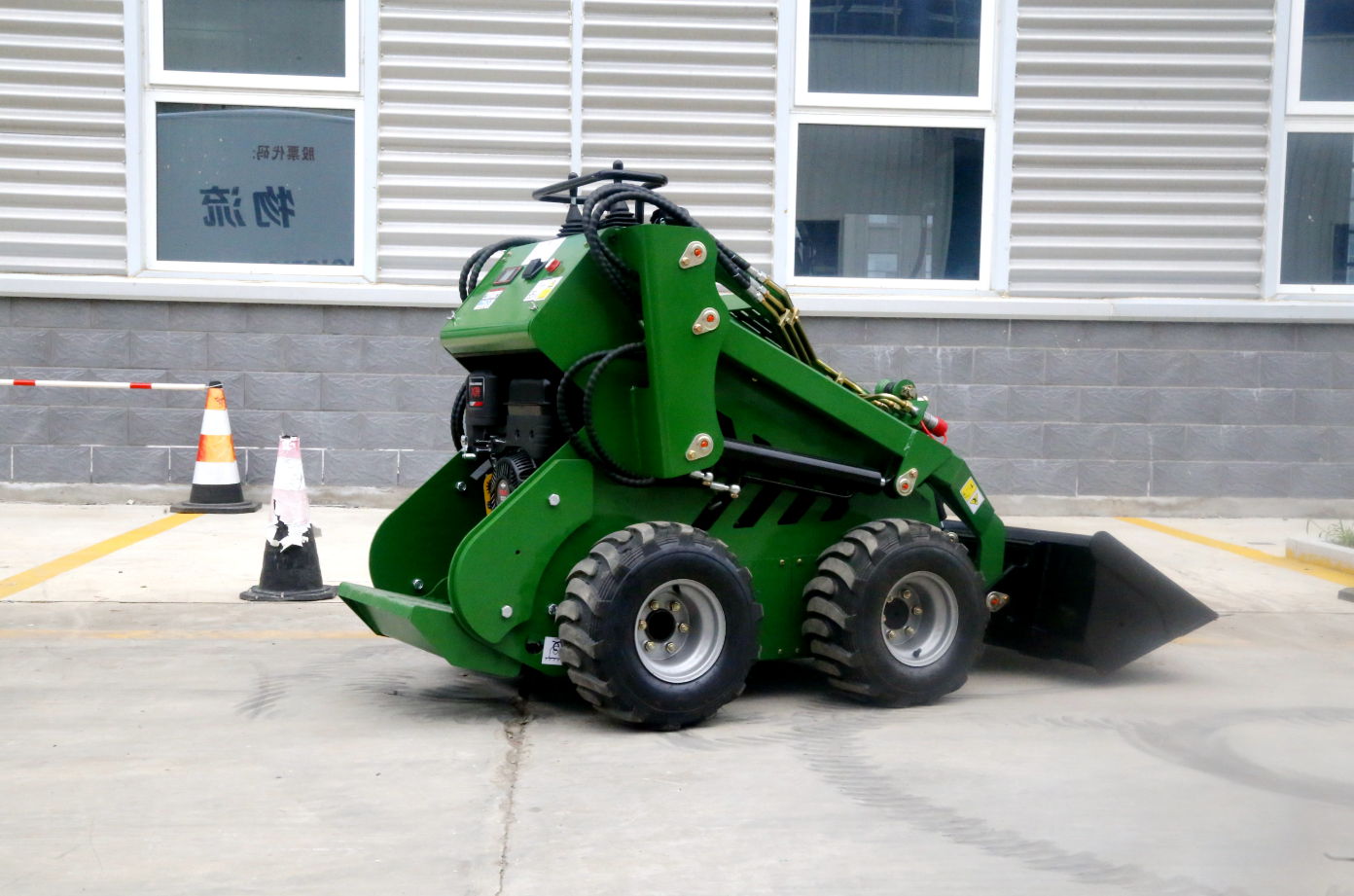
Why a Mini Loader Floats on Soft Ground
Ground Pressure and the Soil Failure Point
On a mini loader, low ground pressure keeps the tire above the soil's failure point, so the surface deforms without breaking into ruts. Weight spread over a wide contact patch means each square centimeter carries less load, which is the simple physics behind good passing performance on soft ground. Operators who understand this stop worrying about speed and start reading the ground, which is the habit that prevents most recoveries.
Flotation, Wide Tires, and Track Options
The unit with the right tread keeps flotation high, and the tracked variant adds even more surface area for the worst bogs. Wide tires stay reversible and cheap to replace, while tracks trade cost for grip where the ground never firms up. The choice follows the site, not the catalogue, and a crew that owns both options can match the machine to the worst hour rather than the mild average.
Traction on the Soft Surface
A mini loader holds traction because the light footprint prevents the tire from sinking to where it loses bite. Keeping momentum steady and the load low lets the tread clear mud instead of packing it, so the machine climbs out of soft spots rather than spinning and digging deeper. Sudden throttle inputs are the enemy here; a patient operator who maintains a slow, even pace crosses ground that defeats aggressive driving.
Standards and Checks
ISO 20474, OSHA 1926, and ANSI
ISO 20474 and OSHA 1926 guide safe mini loader use, while ANSI informs stability testing, and ISO 12100 frames the risk assessment with CE marking for conformity. Operators should learn load limits, slope behavior, and rated capacity before the machine leaves the yard for saturated ground. A signed pre-use checklist turns those principles into a daily habit that protects both the crew and the machine on unpredictable terrain.
Undercarriage and Slope Checks
Before sending the machine onto saturated soil, check the undercarriage for packed mud and confirm the side slope stays within the rated limit. A clean base and a known grade prevent the slow slide that turns a soft crossing into a rollover, especially when the tire loses bite on a wet embankment. Measure the actual grade with a tool rather than guessing, because a few degrees past the limit is where most soft-ground incidents begin.
Summary
A mini loader crosses soft ground through low ground pressure, wide flotation tires, and steady traction that keeps the tire above the soil's failure point. Check the undercarriage, respect the slope, and confirm ISO 20474, ISO 12100, and CE before the machine meets wet ground.
Frequently Asked Questions
Question
Will a lightweight unit cross wet soil cleanly? A mini loader crosses soft ground through low ground pressure and wide flotation tires that keep the tire above the soil's failure point. Light weight prevents sinking, while steady momentum clears mud instead of packing it. Check the undercarriage and slope first, and confirm ISO 20474 and CE before the machine meets wet terrain on site.
Question
What ground pressure should I look for? Lower contact pressure means better flotation, so compare the machine's rated ground pressure against the soil you actually cross. Wide tires spread the load, and a tracked variant adds surface area for the worst bogs. Ask the supplier for the figure and match it to the wettest condition the job will face.
Question
Are wide tires or tracks better in mud? Wide tires cost less and reverse easily, which suits most soft crossings, while tracks add grip where the ground never firms up. The tire unit handles routine mud, and the tracked option fits deep, constant bog. The choice follows the site condition rather than a single spec sheet number from a catalogue.
Question
How do I keep traction on saturated soil? Keep momentum steady and the load low so the tread clears mud instead of packing it, and avoid sharp turns that break the crust. The light unit holds bite when the footprint stays light, so plan a straight, readable path and stop before the tire loses grip on a wet embankment during the crossing on site.
Question
What documents confirm the build is sound? ISO 20474 and OSHA 1926 guide safe use, ANSI informs stability testing, and ISO 12100 frames risk assessment with CE marking for conformity. Operators should learn load limits and slope behavior before saturated ground. Buyers should ask for these documents to confirm the build was assessed for real soft-ground loads.
Question
Can the light unit replace a larger excavator? For light earthmoving and pipe laying on soft ground, the light unit often does the job without a recovery, but deep excavation still needs an excavator. Match the task to the machine, keep the load within rated capacity, and use the lighter unit where passing performance matters more than digging depth on the site.