
 EN
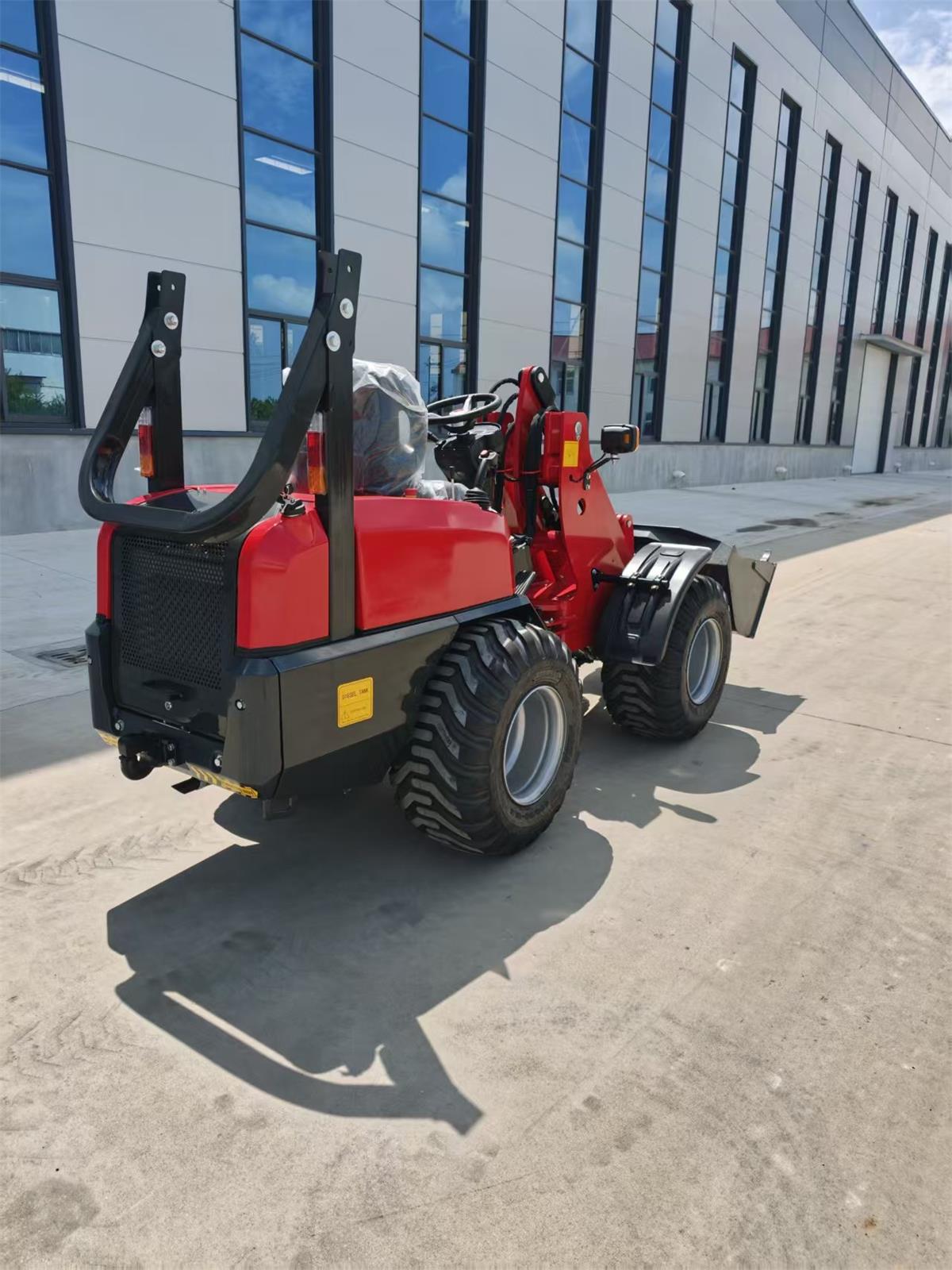
A track skid steer combines a tracked undercarriage with skid-steer turning to work where wheeled machines stall. Operators in cold, coastal and rural regions ask whether this machine truly adapts to snow, sand and mud. The answer lies in ground contact, traction and debris protection rather than raw engine power. This guide explains the physics, shows a real-working scenario, and gives practical selection and use advice for harsh terrain. Contractors paid by the hour lose money whenever equipment sits stuck, so a machine that keeps moving through winter storms, coastal sand and rainy-season mud directly protects schedules and revenue. Warehouse and municipal fleets value the same reliability when a single all-weather loader covers several site conditions without a change of machine.
How track skid steer grips snow-covered ground
Ground contact area of a wide rubber track
A track skid steer spreads machine weight across a long, wide rubber track instead of four small tires. The larger contact patch lowers ground pressure and keeps the loader floating on soft snow rather than punching through the crust. Wider tracks from Nuoman models such as NM-330 and NM-380 increase this patch further, helping the operator push snow without burying the chassis. Ground contact, not horsepower, decides whether the machine climbs a frozen ramp. Even weight distribution also reduces sideways roll on a cambered lane, so the operator keeps stability while carrying a loaded bucket along an icy edge.
Traction physics on slippery snow
Traction comes from friction between track lugs and the surface beneath. On ice, rubber alone slips, so many crews fit aggressive lug patterns or add bolt-on grouser bars for bite. The tracked layout also lets both sides drive independently, so a track skid steer can pivot and climb where a wheeled unit spins. ISO and ANSI standards for operating compact equipment emphasize controlled speed on slopes; reducing throttle preserves grip and stability on snow. Braking behaves the same way, because the long track footprint gives more edge to bite, shortening the stop distance on a slick jobsite approach compared with a narrow tire.
Sand terrain performance and flotation
Low ground pressure prevents sinking
Loose sand offers poor support, and a heavy point load digs in fast. Because the track skid steer distributes mass over a big footprint, ground pressure drops, giving the flotation needed to cross dunes and beaches. A sand terrain job such as land leveling near a coastal site benefits from this low-pressure contact, which a wheeled loader cannot match without wide flotation tires. Dry sand also shifts under vibration, so steady, low-speed travel keeps the surface packed and prevents the chassis from wallowing into a trench that a wheeled unit would open within minutes.
Operation tips for loose sand
On sand, keep the bucket low and travel straight to avoid sidewall collapse of the track. Reduce payload slightly and avoid sudden turns that pile sand ahead of the machine. A track skid steer used on beaches should be rinsed after each shift to remove abrasive grit that accelerates wear on the undercarriage. Hydraulic couplers and the attachment interface need a quick inspection to keep the snow loader and bucket ready. Operators should also watch the cooling intake, because fine sand clogs screens faster than clay and raises engine temperature during long, slow passes.
Muddy road recovery and debris protection
Mud traction and self-cleaning track
Mud is the classic enemy of traction, yet the track skid steer performs well because lug spacing sheds clay as the track rotates. The open pattern prevents the packed-mud effect that robs a wheeled machine of grip. When a unit does bog down, the independent track drive lets one side pull while the other compacts, easing recovery without a second machine. Low ground pressure also stops the chassis from sinking into soft mud. Adding a gentle rocking motion in forward and reverse, rather than full throttle, frees most stuck loaders without damaging the hydraulic pump or spinning the track against a buried obstacle.
Undercarriage debris protection
Sticks, wire and frozen clumps can jam rollers and idlers. A sealed and guarded undercarriage on a durable loader keeps debris out of the track path, while the chassis stays clear of ground snags. Operators should clear packed material at the end of each shift; this simple habit, echoed in OSHA guidance on equipment inspection, protects productivity and extends component life on rough ground. Regular cleaning preserves the durability of the rubber track. A daily walk-around that checks the idler free play and the roller seals catches small problems before they strand the machine on a remote site.
Real-scenario case and selection advice
Case: winter municipal snow clearing
A northern municipality faced repeated blockages on narrow lanes after heavy snowfall. Wheeled loaders spun on ice and could not turn in tight alleys. The crew deployed a track skid steer with a wide rubber track and a snow blade. The machine climbed packed slopes, cleared both sides of a lane in a single pass, and finished the route two hours earlier than before. Fuel efficiency stayed steady because the operator used low-range gearing instead of high throttle. The municipality later reported fewer call-outs for stuck vehicles and less overtime across the whole winter season, which justified the purchase against the older wheeled fleet it replaced.
Buy, inspect and use recommendations
Buyers should match track width and lug pattern to the dominant terrain: aggressive lugs for snow, wider pads for sand, open spacing for mud. Before purchase, inspect roller wear, track tension and coupler condition; request CE or ISO documentation for export markets such as the United States and Sweden. In use, keep speed moderate, clean the undercarriage daily, and confirm the hydraulic system shows no leak. Store the machine under cover when possible, and rotate between two track sets so rubber does not crack from constant exposure. These steps help any compact equipment owner get reliable service from a track skid steer across seasons.
Frequently Asked Questions
Question
How does a track skid steer maintain traction on snow and ice?
Answer: A tracked machine spreads weight over a broad rubber track, lowering ground pressure and increasing the contact patch that generates friction. On ice, aggressive lug patterns or bolt-on grouser bars add bite. Independent track drive lets each side turn at its own speed, so the loader climbs and pivots where wheels spin. Controlled throttle and low-range gearing further preserve grip on slippery, frozen surfaces.
Question
Why does low ground pressure help on sand terrain?
Answer: Loose sand gives poor support, so a heavy point load digs in quickly. A tracked loader distributes mass across a wide footprint, dropping ground pressure and giving flotation to cross dunes and beaches. Wider pads and a level bucket help the machine stay on top of the surface. Rinsing abrasive grit after each shift protects the undercarriage and preserves traction for the next sand run.
Question
What debris protection does the undercarriage provide in mud?
Answer: Sticks, wire and frozen clumps can jam rollers and idlers on rough ground. A guarded, sealed undercarriage keeps debris away from the track path and prevents snags that stop a machine. Daily cleaning of packed material at shift end preserves roller movement and protects productivity. OSHA inspection guidance supports this simple habit, which extends component life and keeps the loader dependable through muddy conditions.
Question
Which track lug pattern suits snow, sand and mud?
Answer: Match the lug pattern to the dominant terrain for reliable results. Aggressive, deep lugs bite into packed snow and ice. Wider, smoother pads spread load on sand terrain and improve flotation. Open, self-cleaning spacing sheds clay in mud and keeps traction steady. A versatile owner may keep two track sets for seasonal work. Inspect tension and coupler wear before each harsh-condition job.
Question
Can a tracked machine replace a wheeled loader in winter?
Answer: In many winter tasks a tracked machine offers clear advantages over a wheeled unit. The rubber track maintains grip on snow and ice where tires spin, and the low ground pressure prevents sinking on soft ground. For mixed fleets, keeping one tracked unit for storms and one wheeled loader for paved lots balances cost and capability. Always confirm operator training and CE documentation before deployment.